Like-Minded
I am interested in situations in which social contradictions have become so familiar that we barely notice them anymore. Places where belonging, individuality, nature or freedom are sold while still being experienced as personal choices.
Rather than explaining these structures, I try to make them visible through simple sentences. Each thought will become a photographic work that does not illustrate the situation, but opens up another layer.
People meet with like-minded others and feel somehow superior.
People go where everyone goes and still feel individual.
People want to be outdoors and bring a house with them.
The photographic works are still taking shape.
The images show the surface. The sentences shift the perspective.
Gleichgesinnte
Mich interessieren Situationen, in denen gesellschaftliche Widersprüche so selbstverständlich geworden sind, dass man sie kaum noch wahrnimmt. Orte, an denen Zugehörigkeit, Individualität, Natur oder Freiheit verkauft und zugleich als persönliche Entscheidung erlebt werden.
Ich versuche, diese Strukturen nicht zu erklären, sondern mit einfachen Sätzen sichtbar zu machen. Zu jedem Gedanken entsteht eine fotografische Arbeit, die die beobachtete Situation nicht illustriert, sondern eine eigene Ebene eröffnet.
Man trifft sich mit Gleichgesinnten und fühlt sich als etwas Besseres.
Man geht dorthin, wo alle sind, und fühlt sich dabei individuell.
Man will draußen sein und nimmt dafür ein Haus mit.
Die fotografischen Arbeiten dazu entstehen.
Die Bilder zeigen die Oberfläche. Die Sätze verschieben den Blick.
Traces (of mass tourism)
A distillation of alpine tourism into its physical residue. No figures, no vistas. Only surfaces altered by constant use: abrasion, polish, rupture, repetition. These fragments expose the operational flow beneath leisure – access, movement, consumption, exit. Tourism becomes pressure made visible. Ongoing work, drawn from close readings of infrastructure and its accumulated marks.


Undoing the Alps: A Visual Restoration
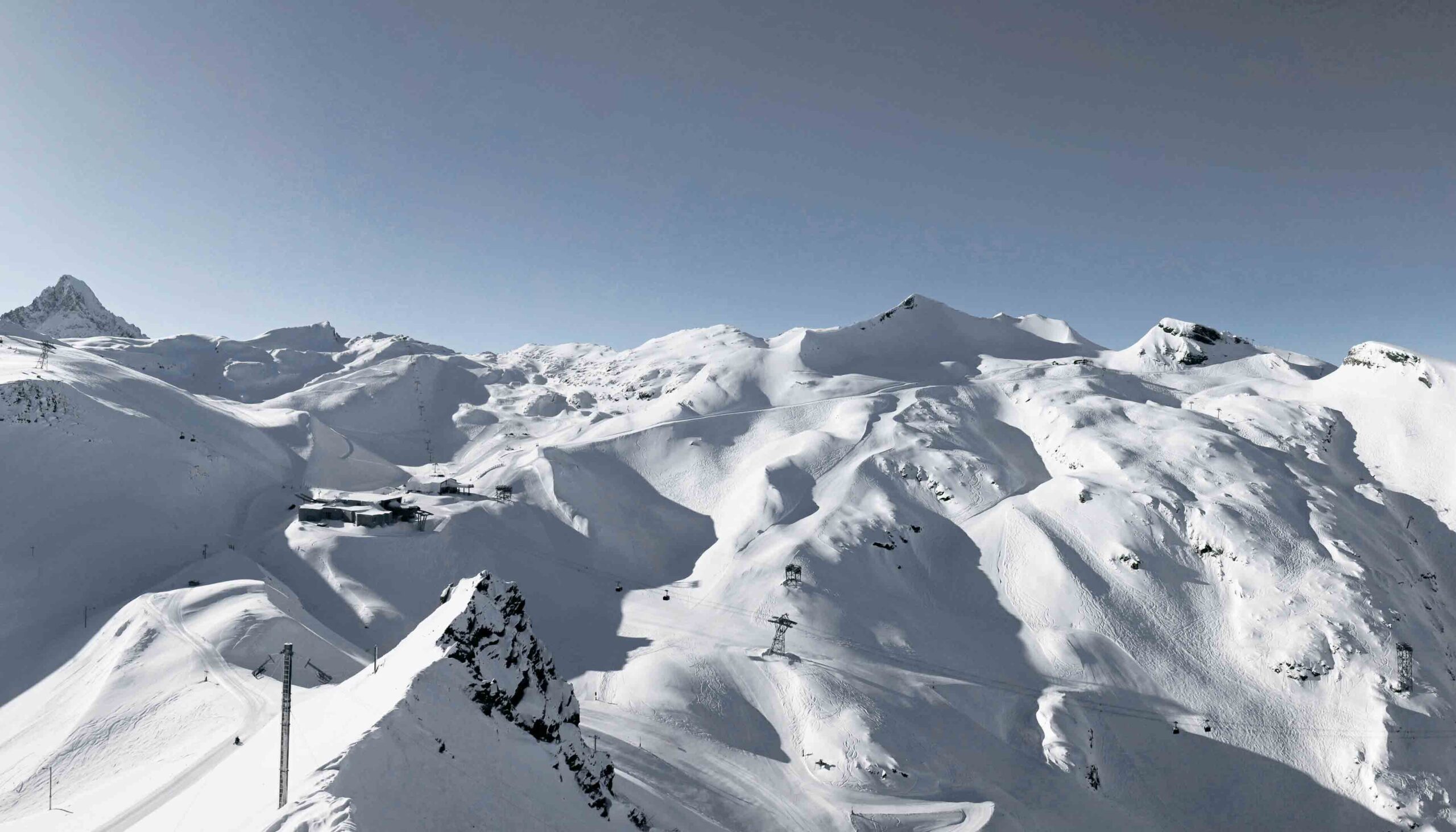
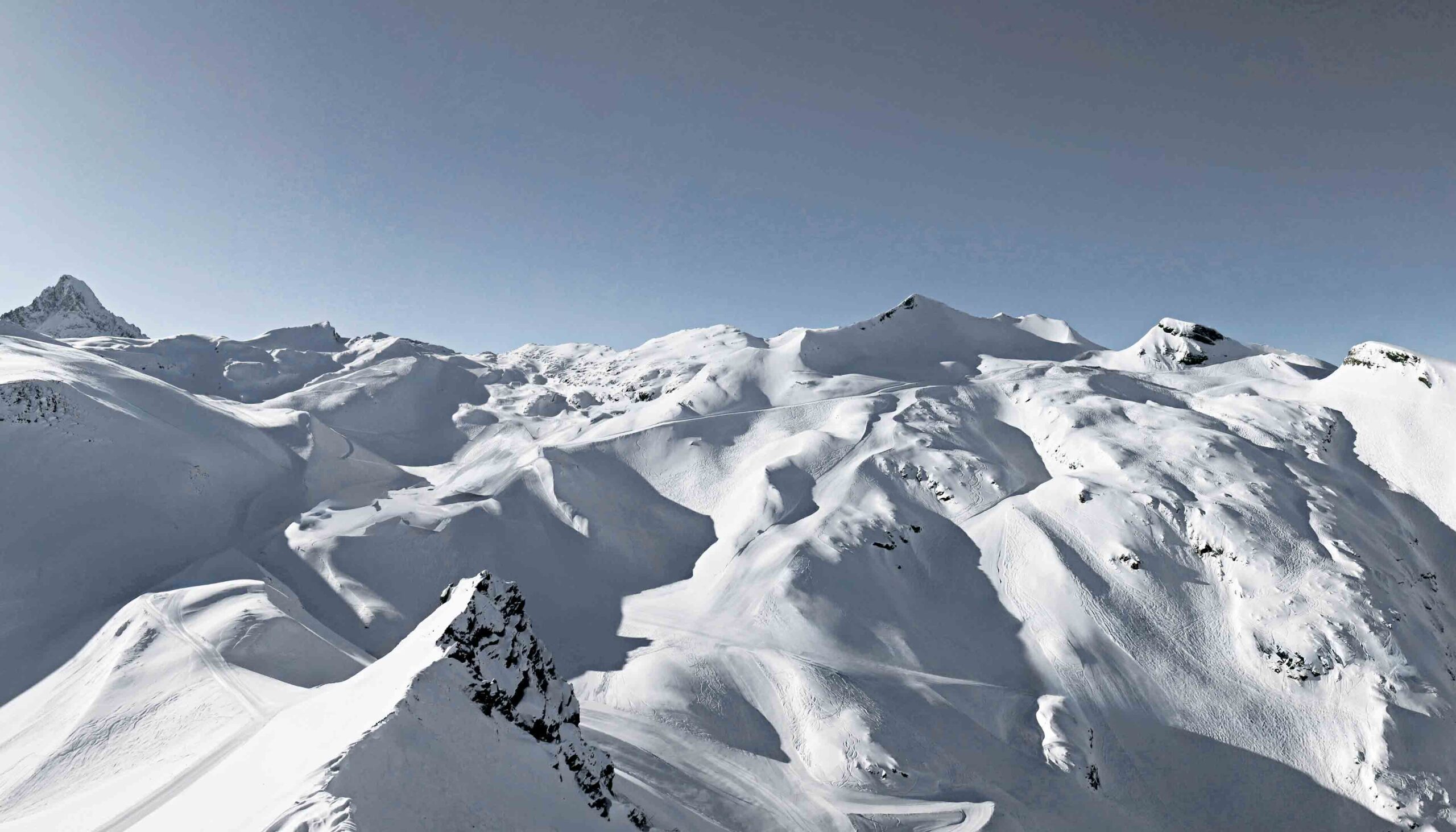
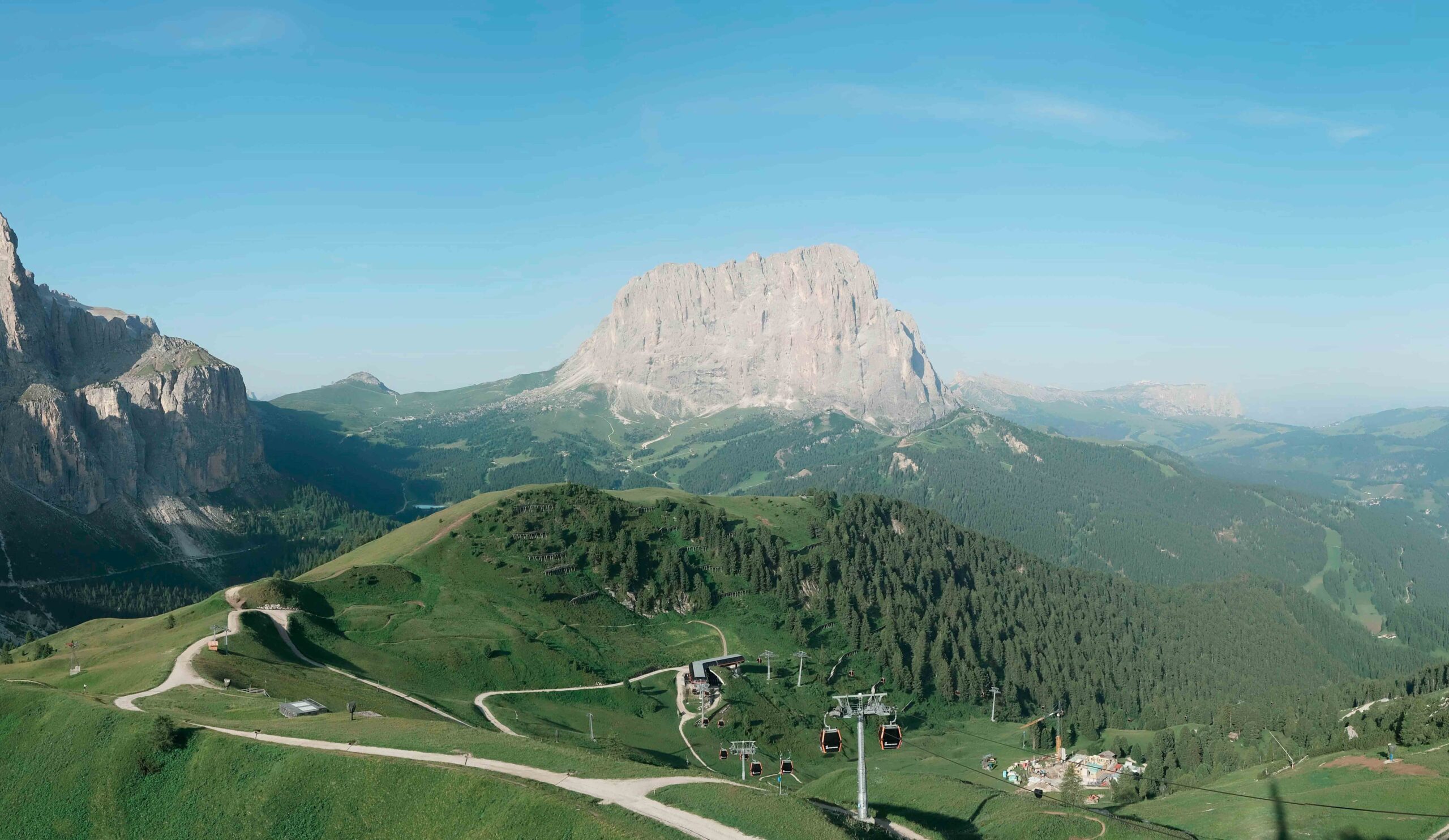
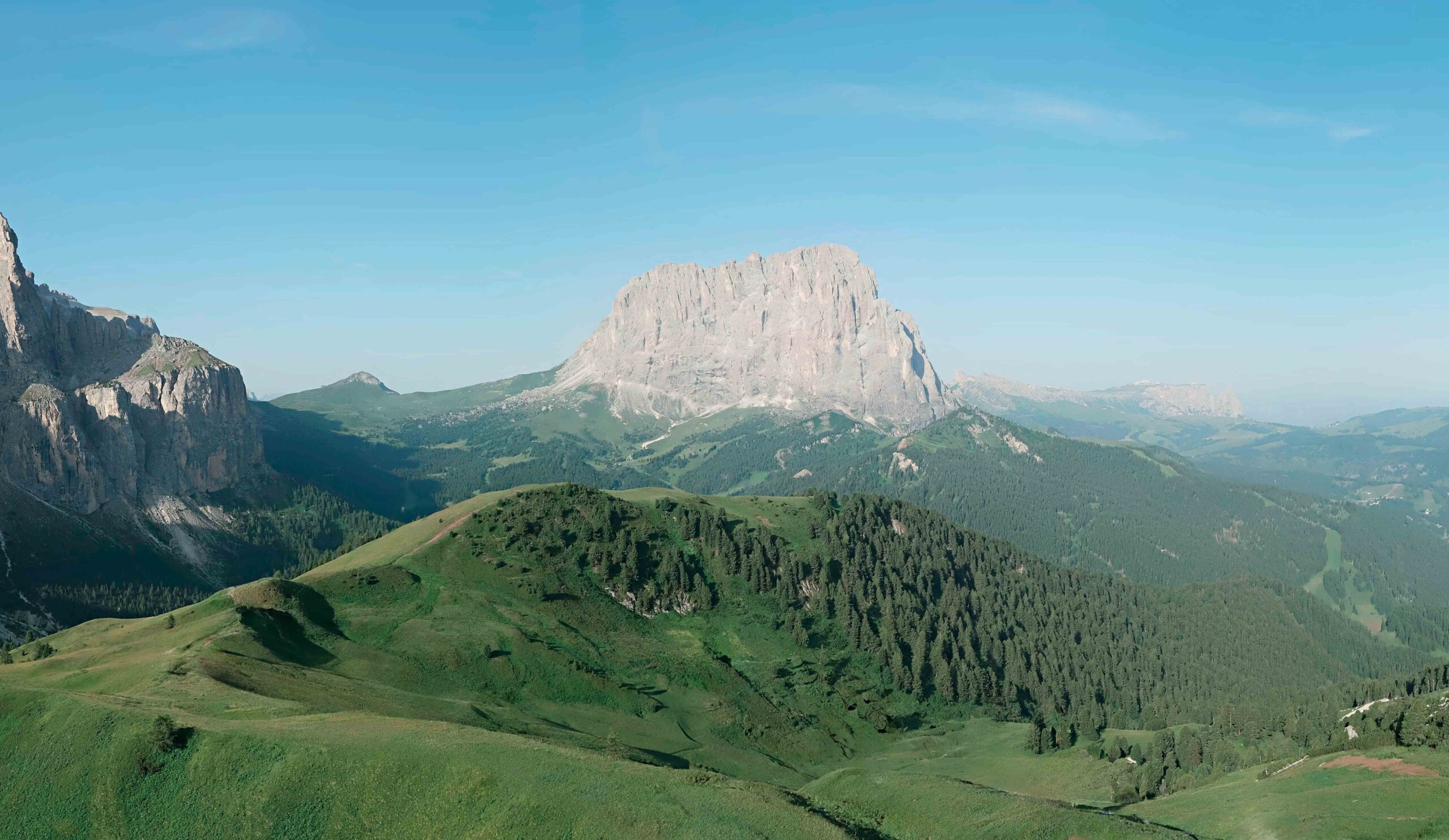
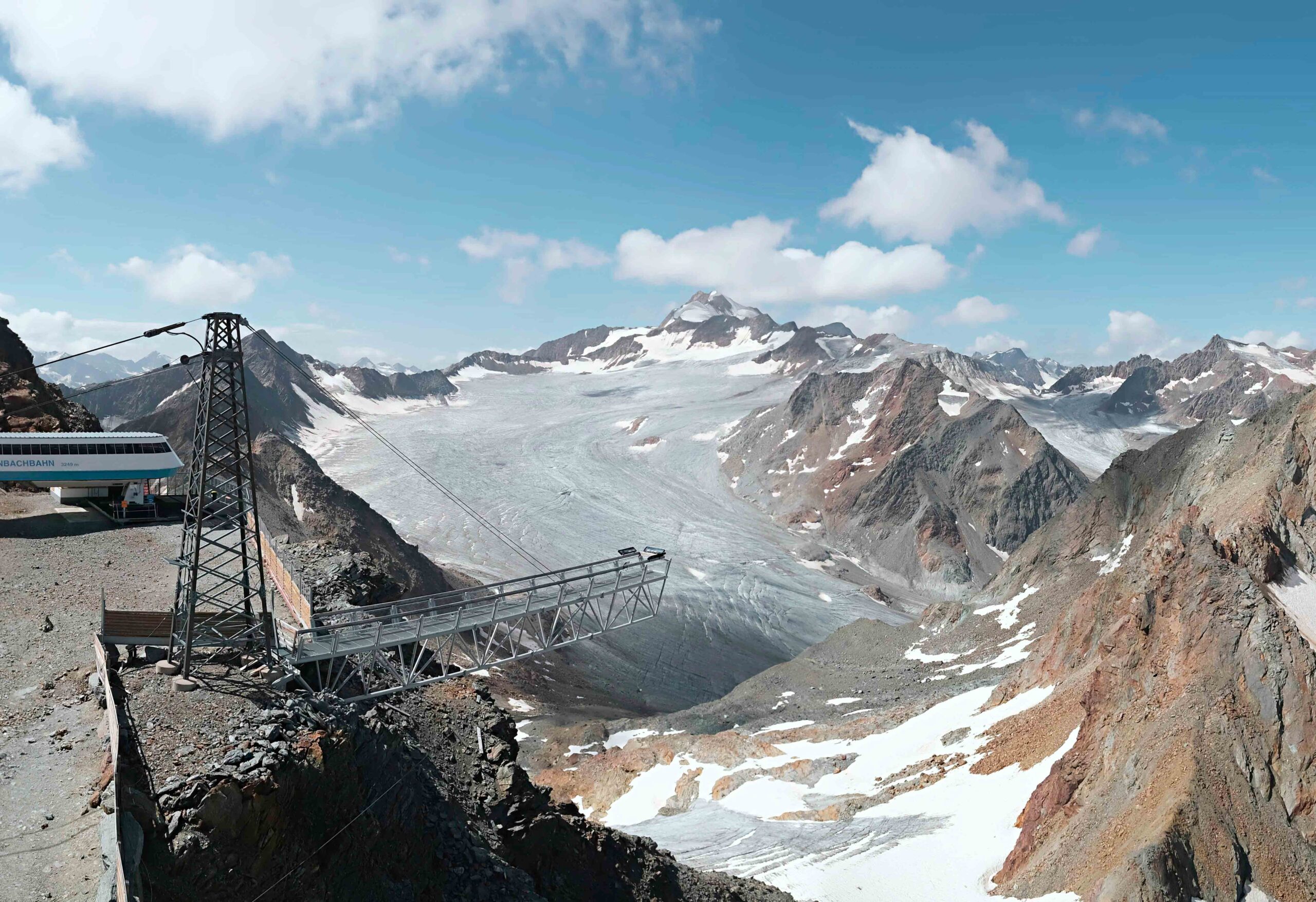
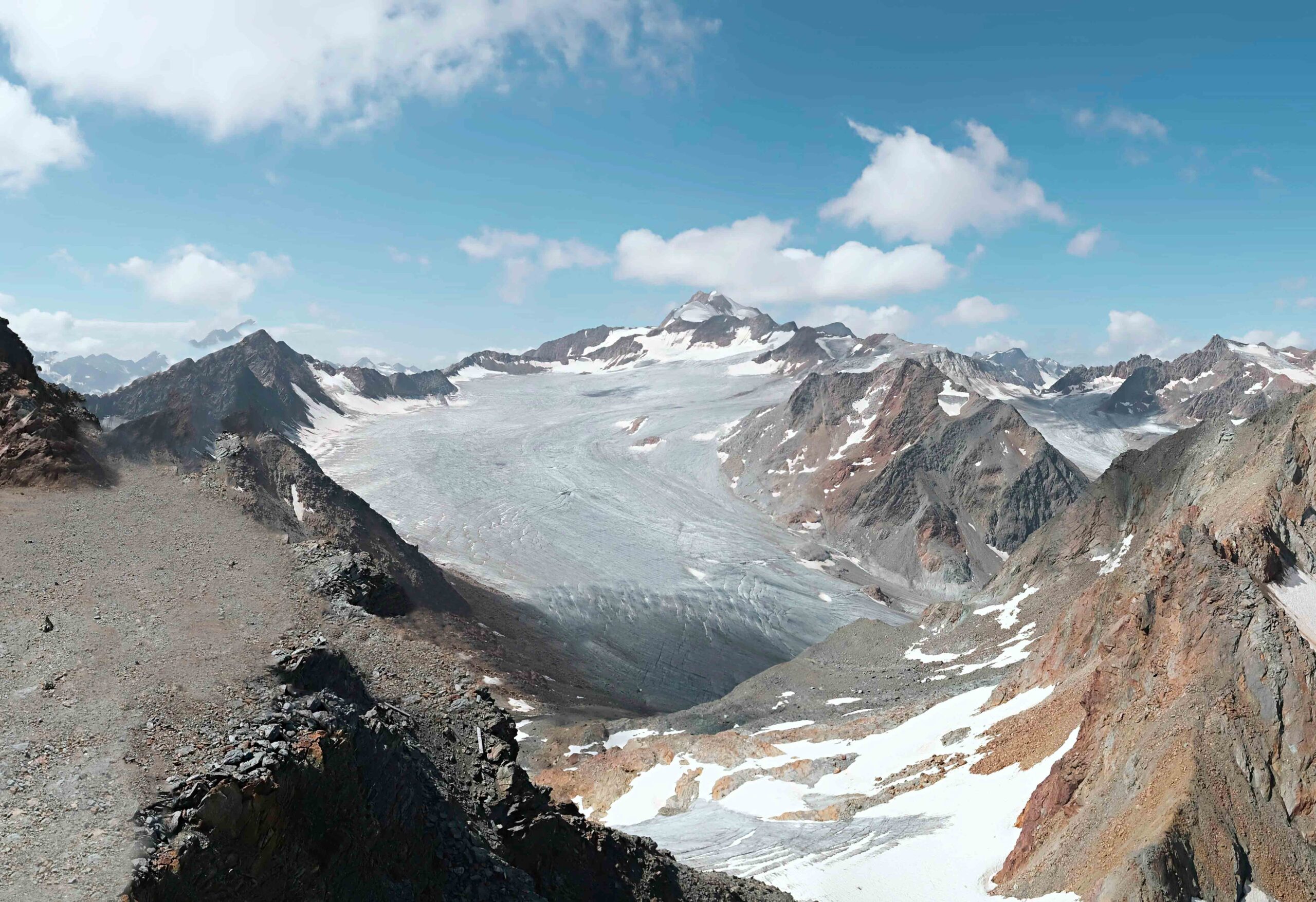
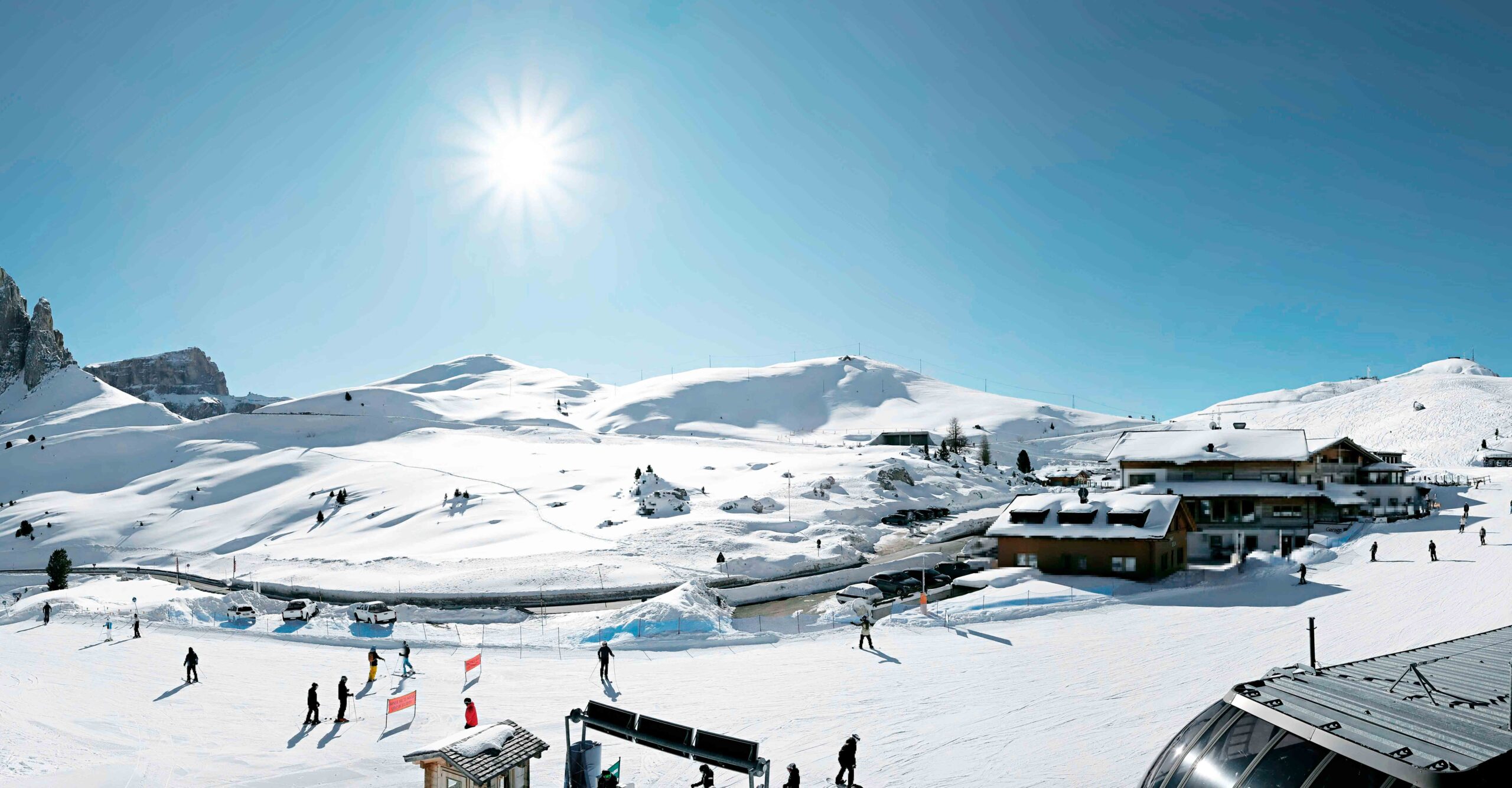
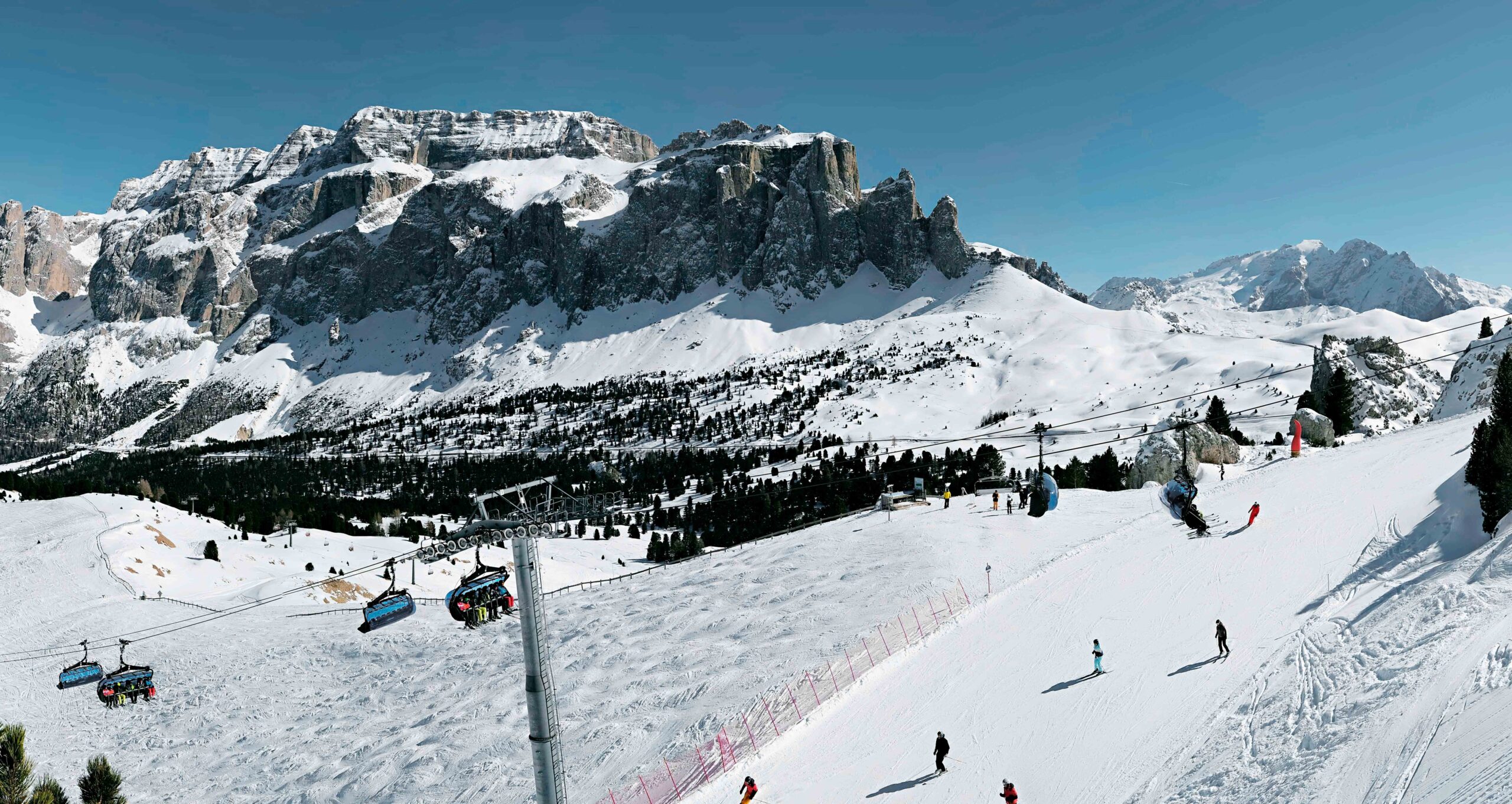
The Alpine region has been shaped by decades of tourist development. Ski lifts, slopes, snowmaking systems, and mountain huts dominate the landscape, leaving marks that permanently alter the character of this unique mountain world.
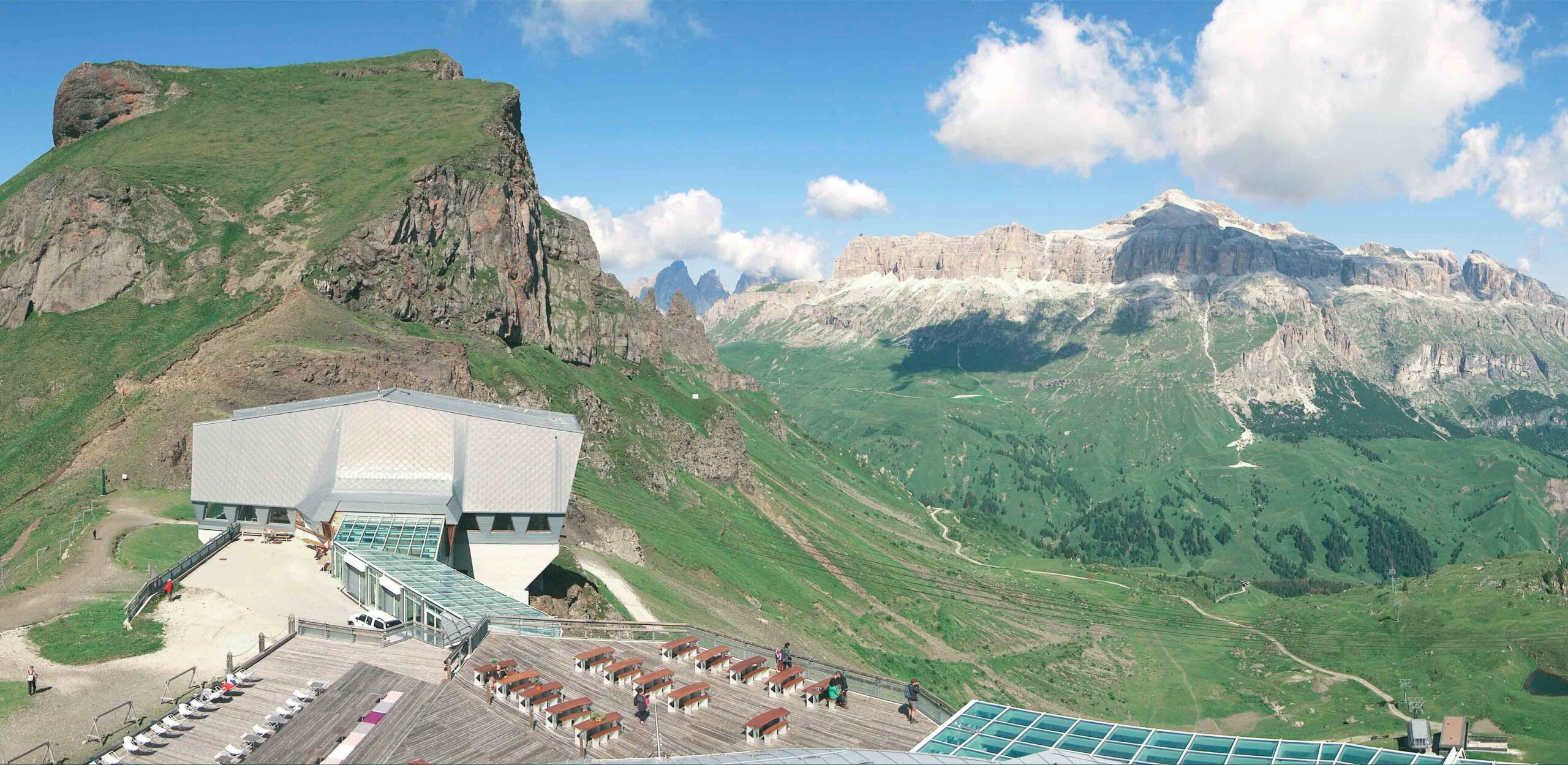
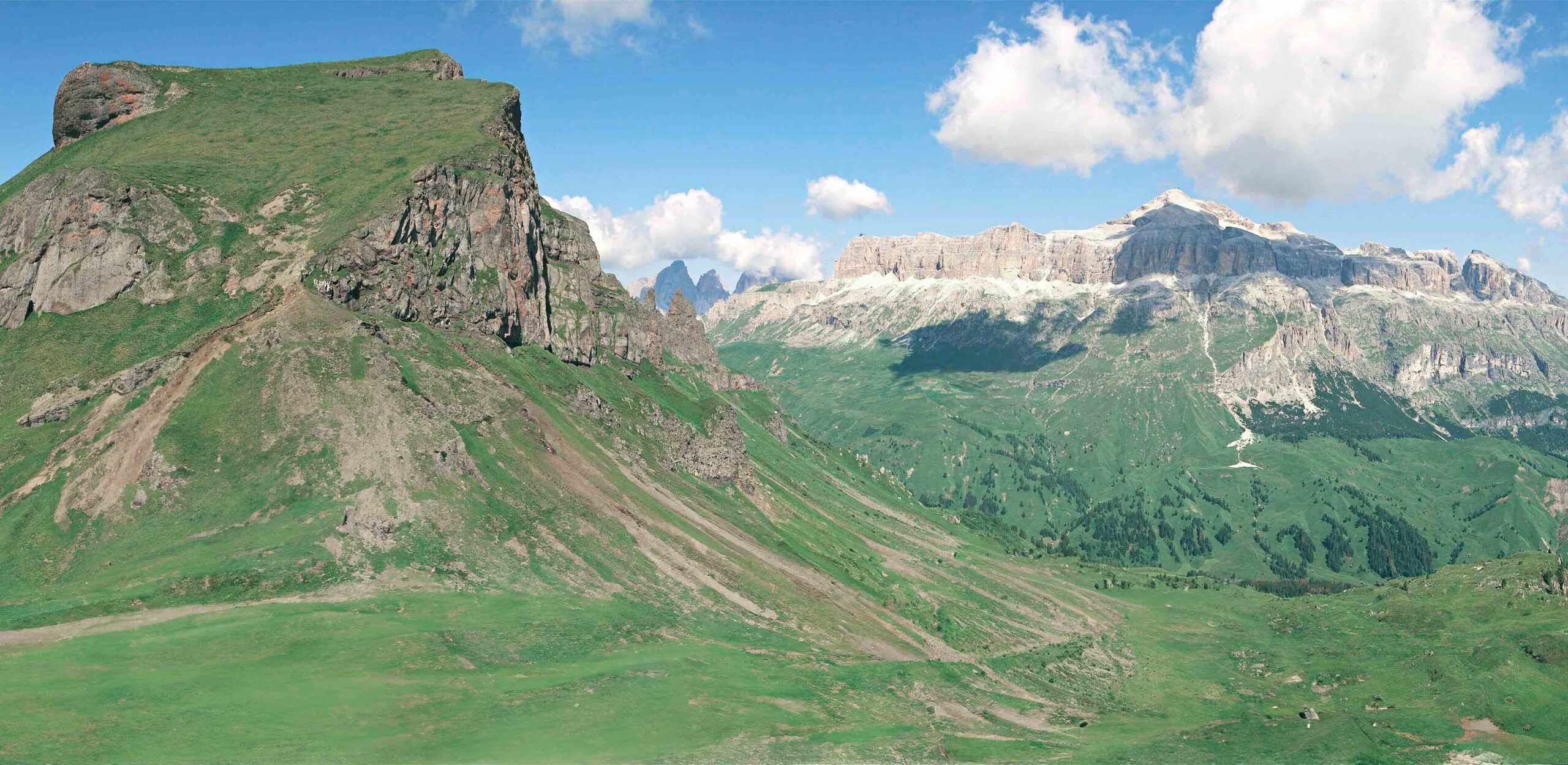
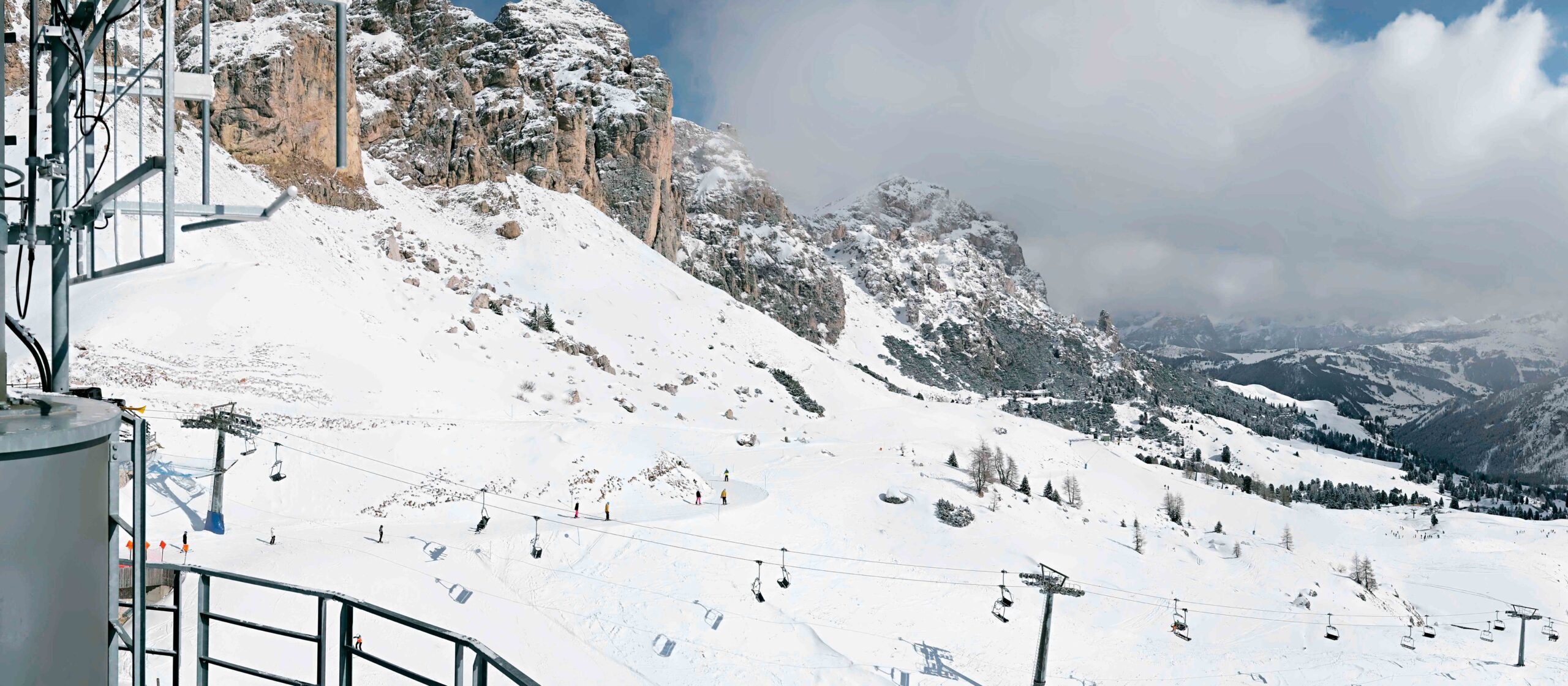
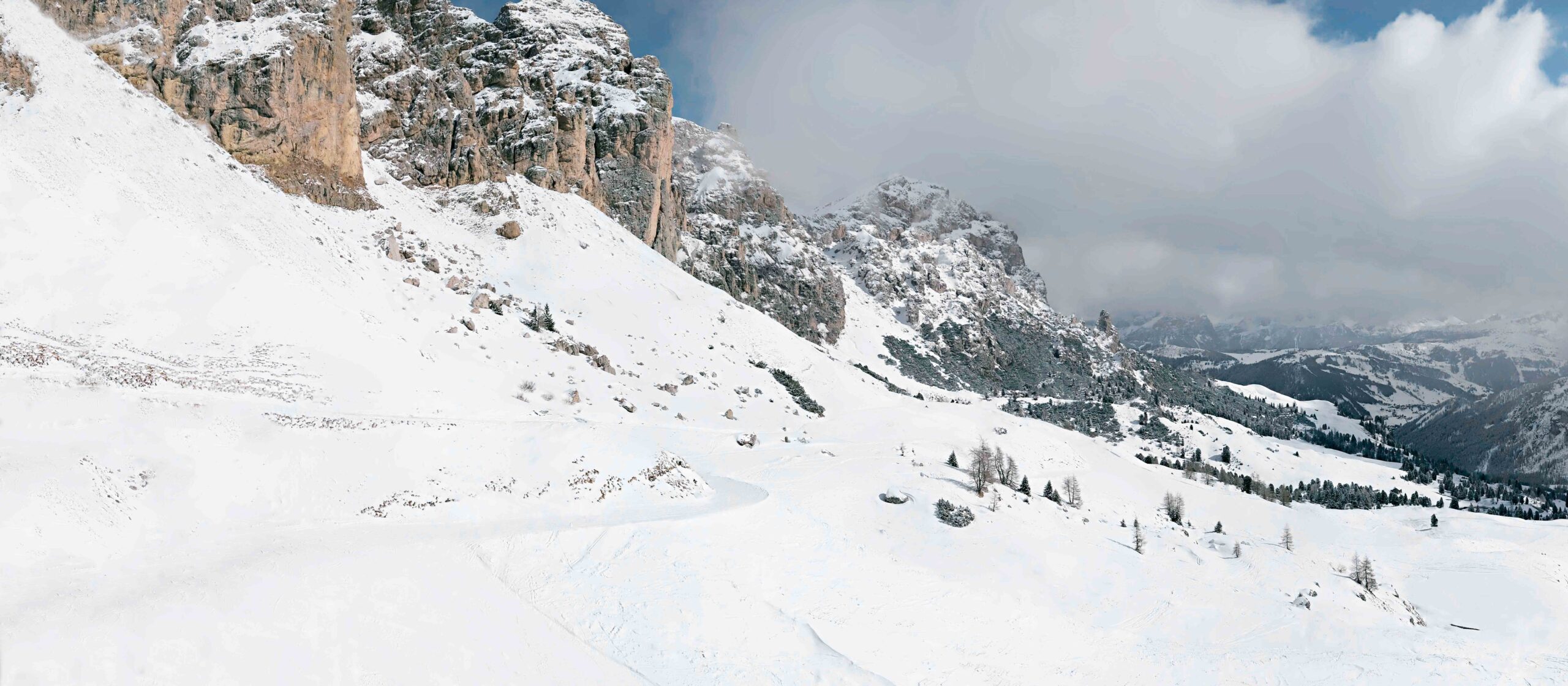
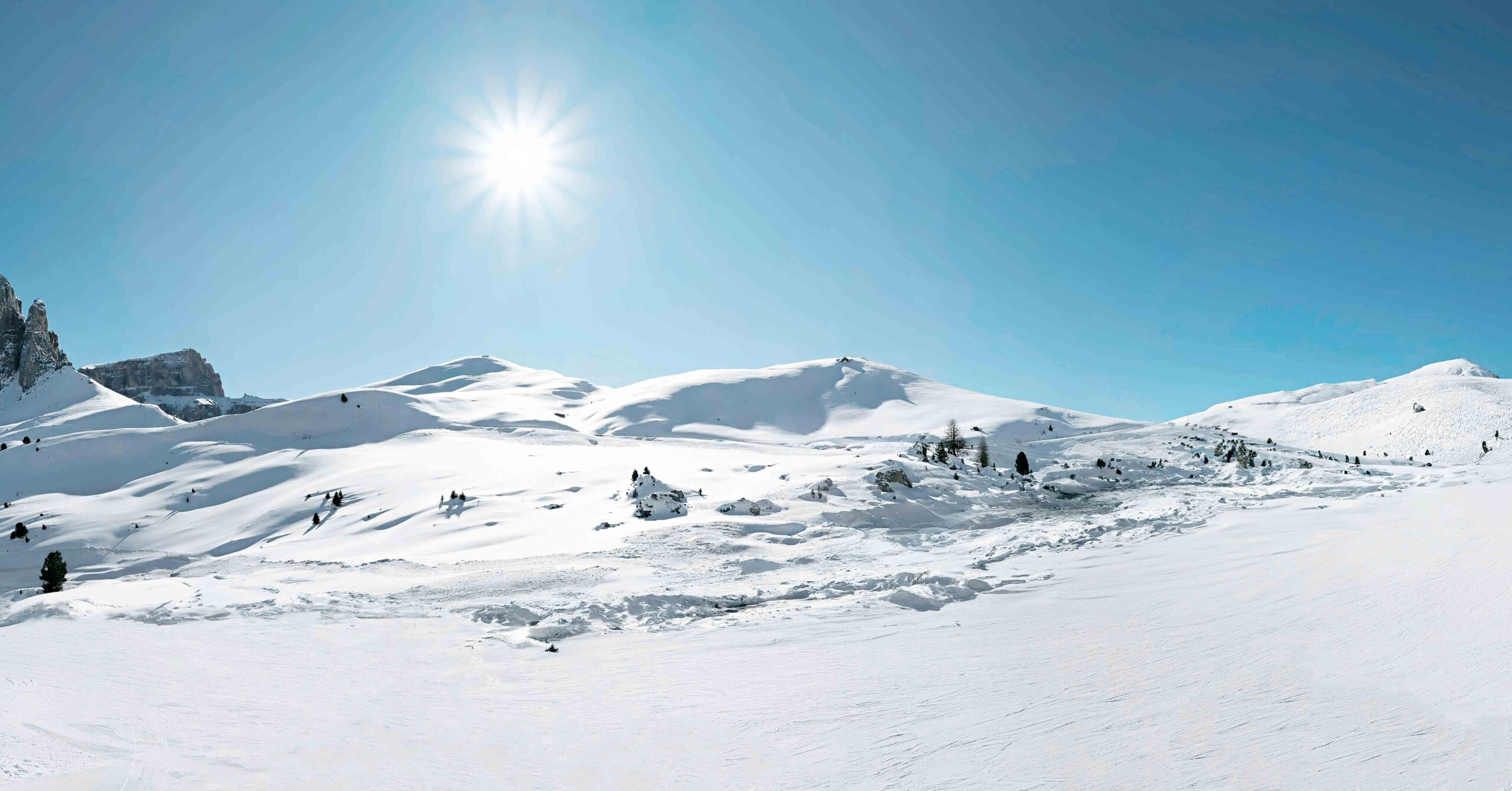
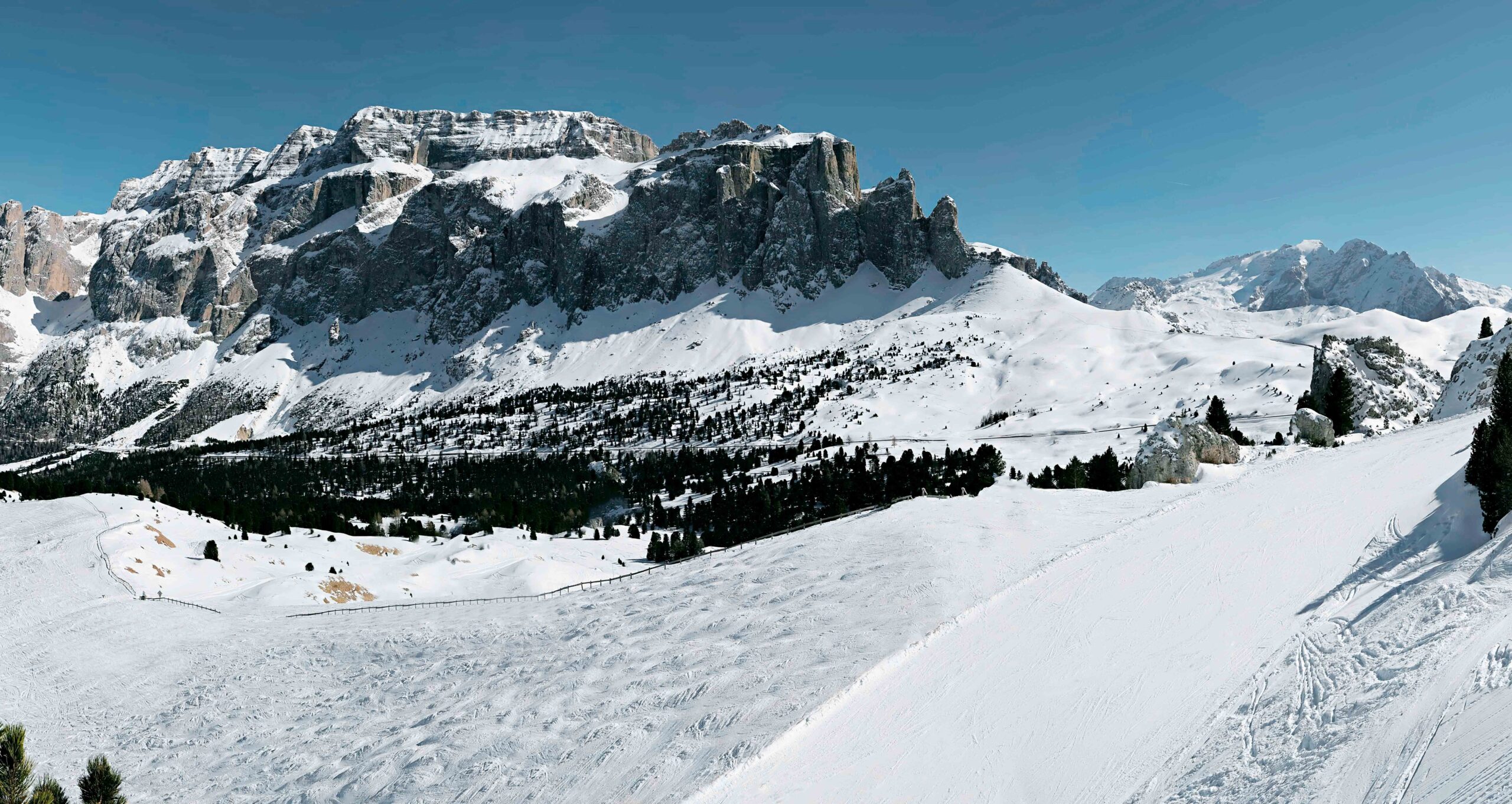
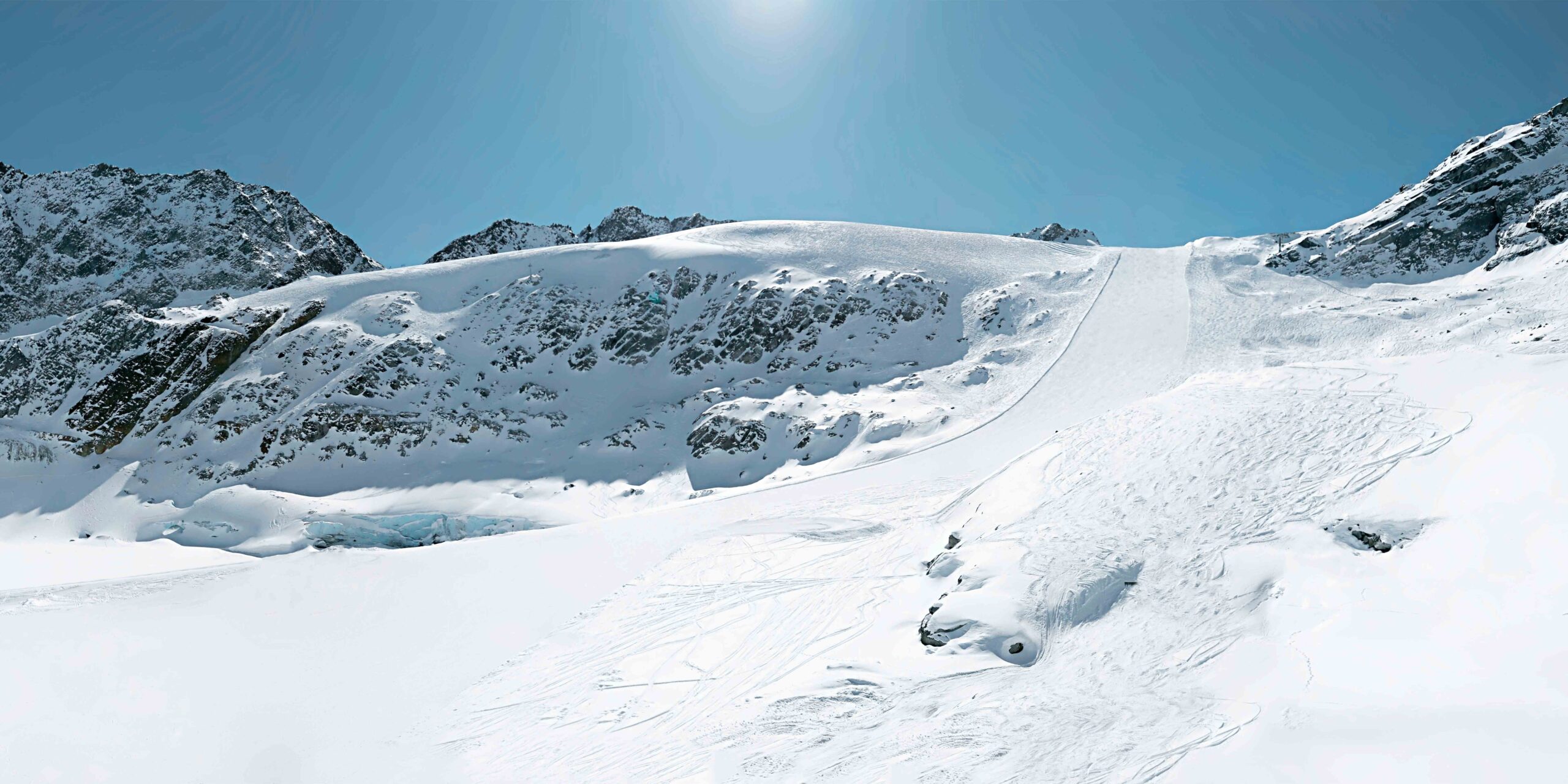
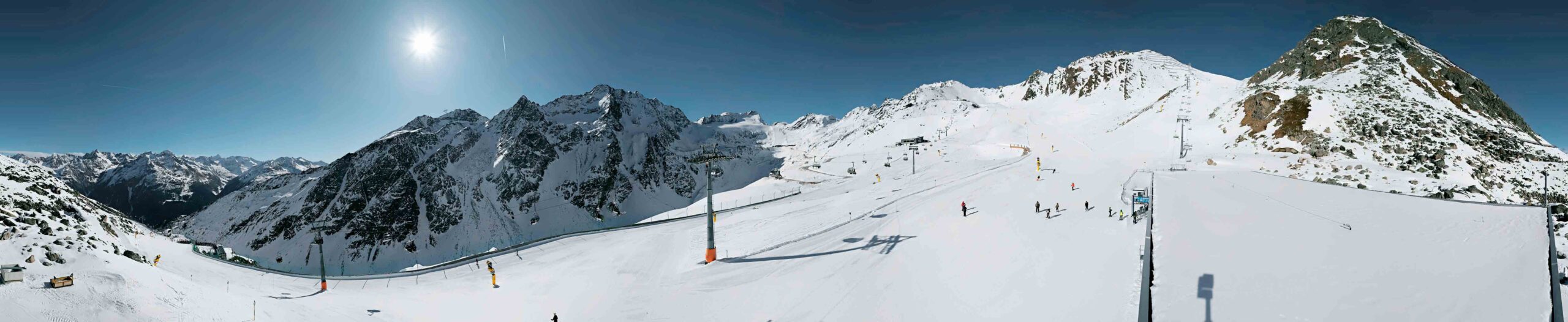
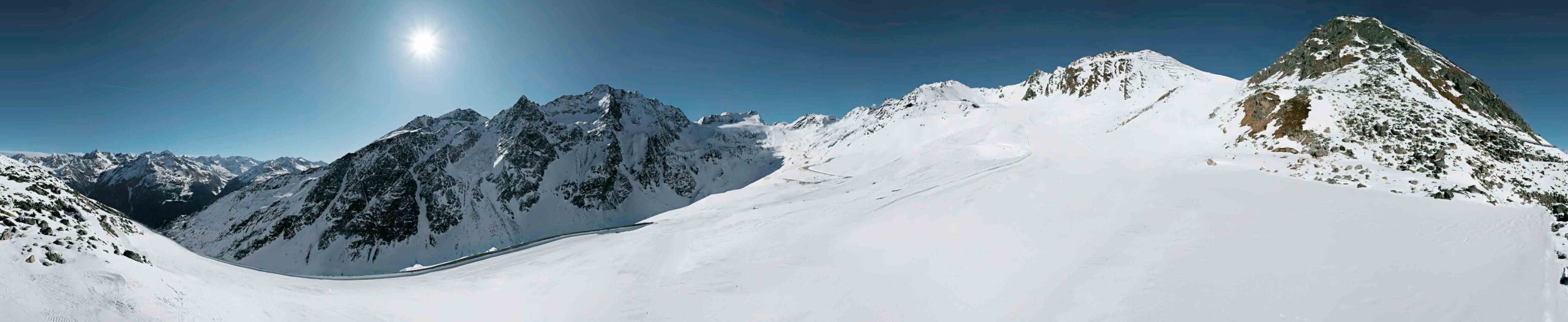
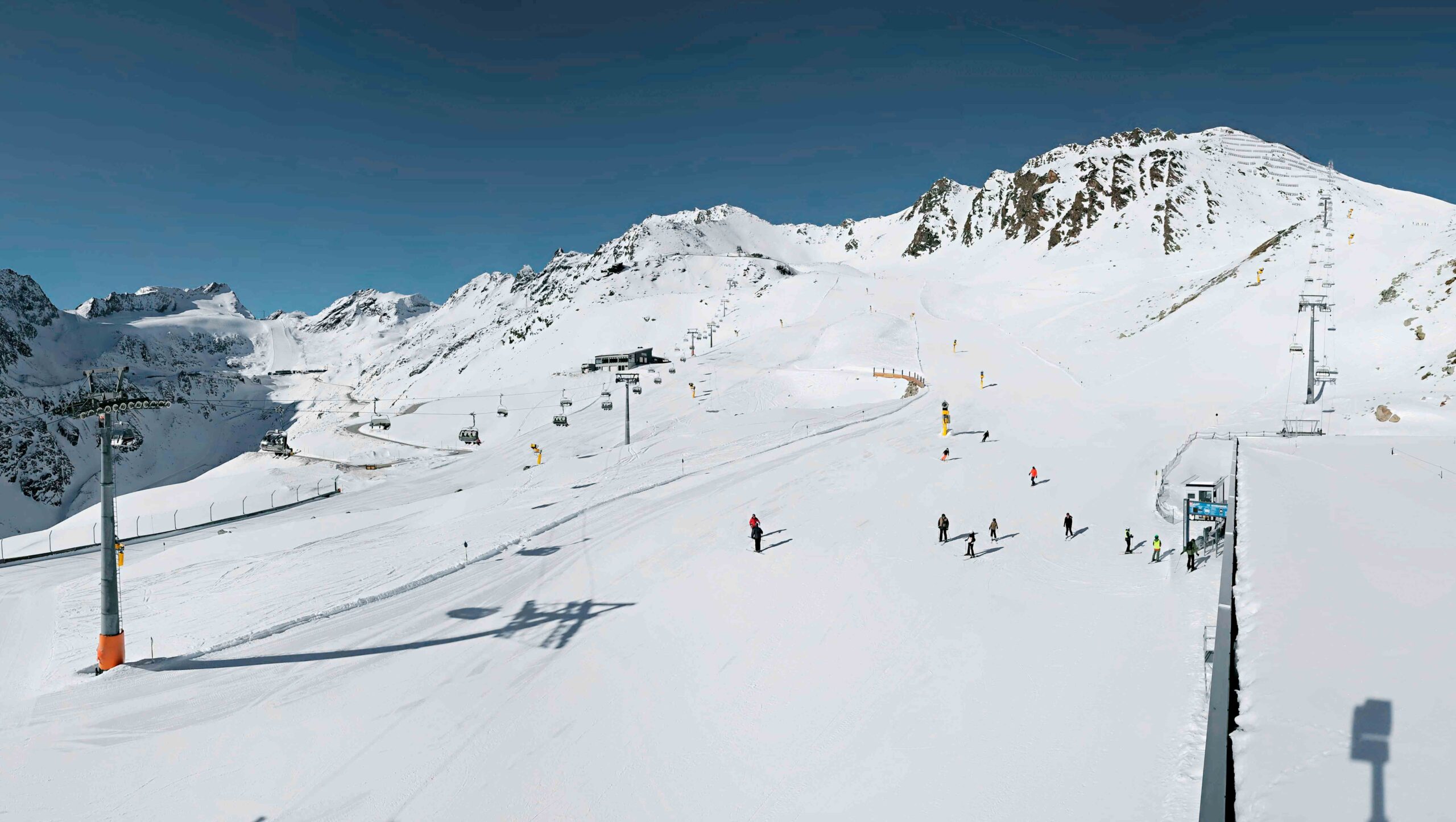
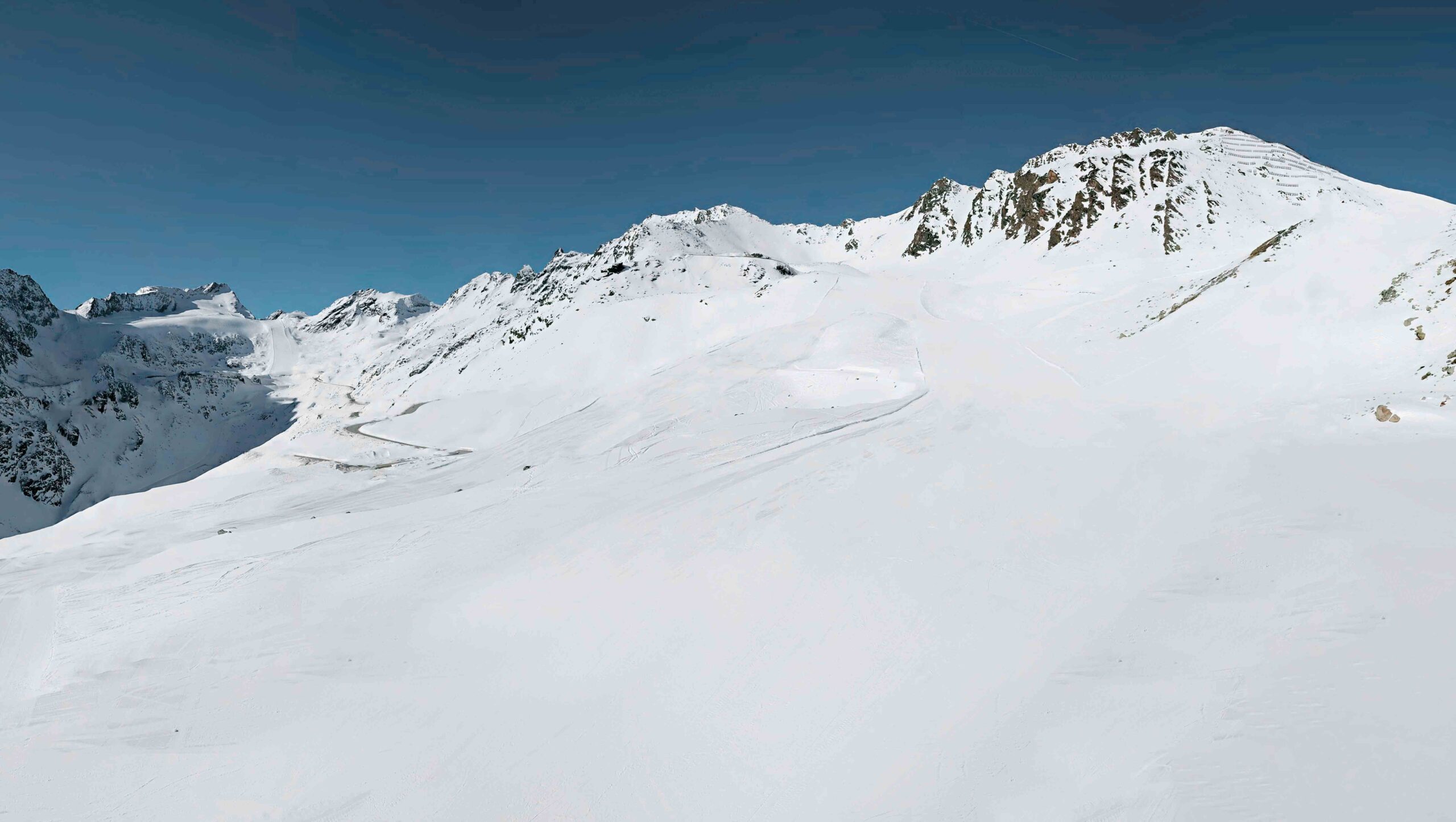
„Undoing the Alps: A Visual Restoration“ is an artistic project that reverses these interventions—at least visually. The starting point is panoramic images from webcams in the Dolomites, which are freely accessible. Through a digital intervention, I intentionally remove the visible winter sports infrastructure: lifts, slope markings, buildings, and artificial snow paths disappear, revealing an untouched landscape.
The images are always presented in pairs: once in their real, tourism-impacted form and once in a reconstructed, natural version. This creates a critical dialogue between reality and possibility—between the status quo and the vision of what these mountains could look like without mass tourism.
This project serves as an artistic commentary on the ongoing expansion of alpine tourism and raises the question of how much nature we are willing to sacrifice. It invites reflection on the true value of these landscapes—beyond economic interests and tourism-driven exploitation.

















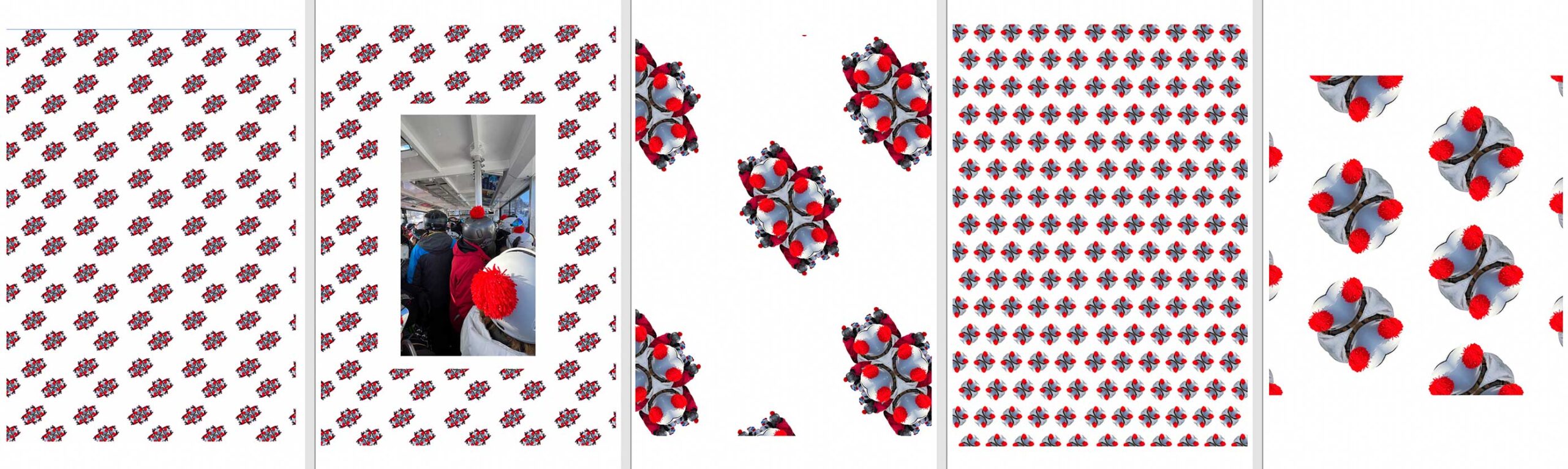
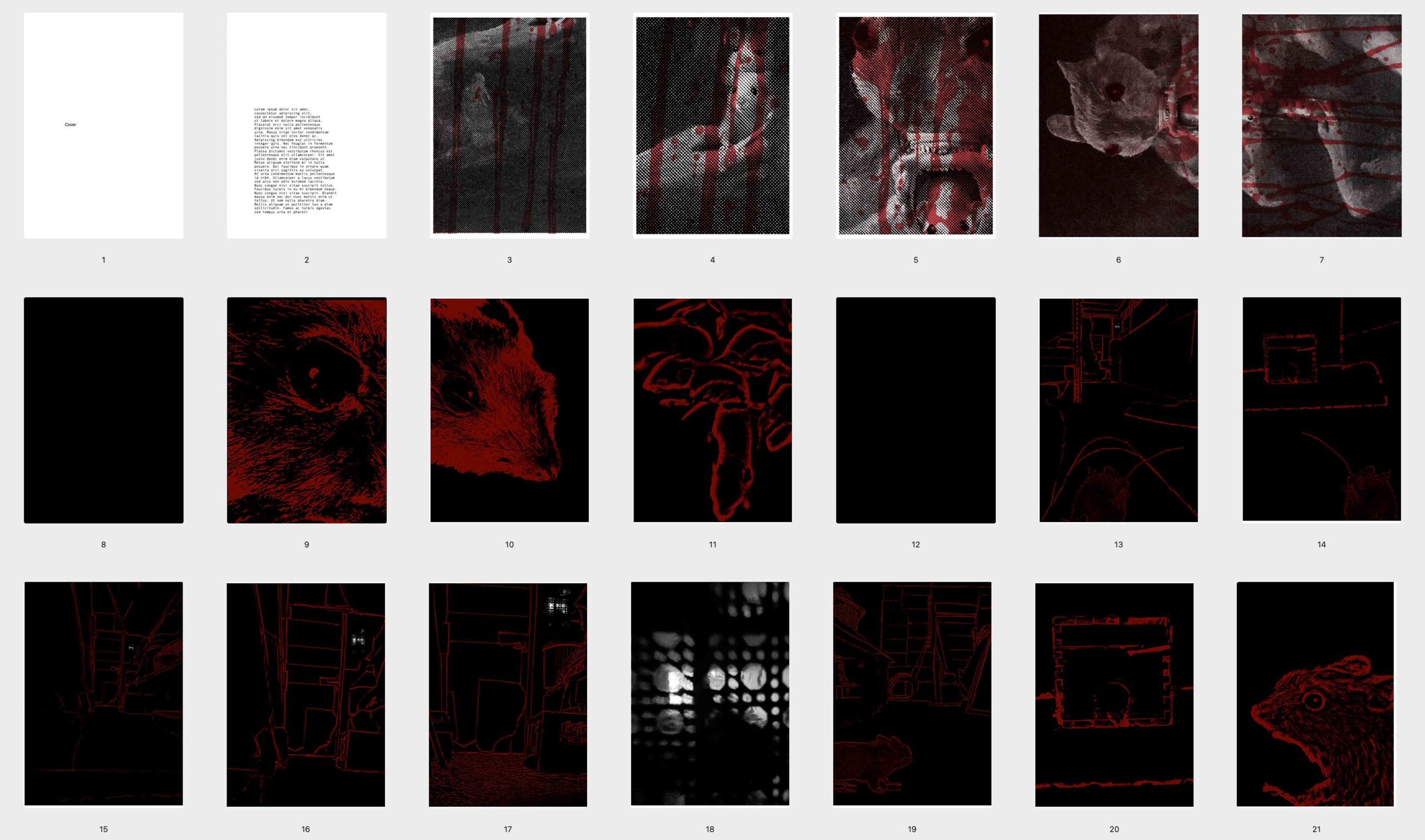
Project „Maus“ – A Visual Exploration
This graphic novel project was inspired by Beatrice Segolini and also draws influence from Joachim Planer. The visual design was developed by me as a test, exploring a unique combination of halftone aesthetics, stark contrasts, and unsettling imagery. The work experiments with atmosphere and visual storytelling, aiming to evoke tension and emotion.
Echoes of Time
Each episode could capture a brief, quiet moment where life pauses—whether it’s waiting for a bus, watching a sunset, or seeing a plant grow. The focus would be on the subtle ways time shapes our experiences, leaving behind echoes of what was and hints of what’s to come. Through minimalist visuals and a gentle narrative, the series would invite viewers to reflect on the beauty and inevitability of passing time.
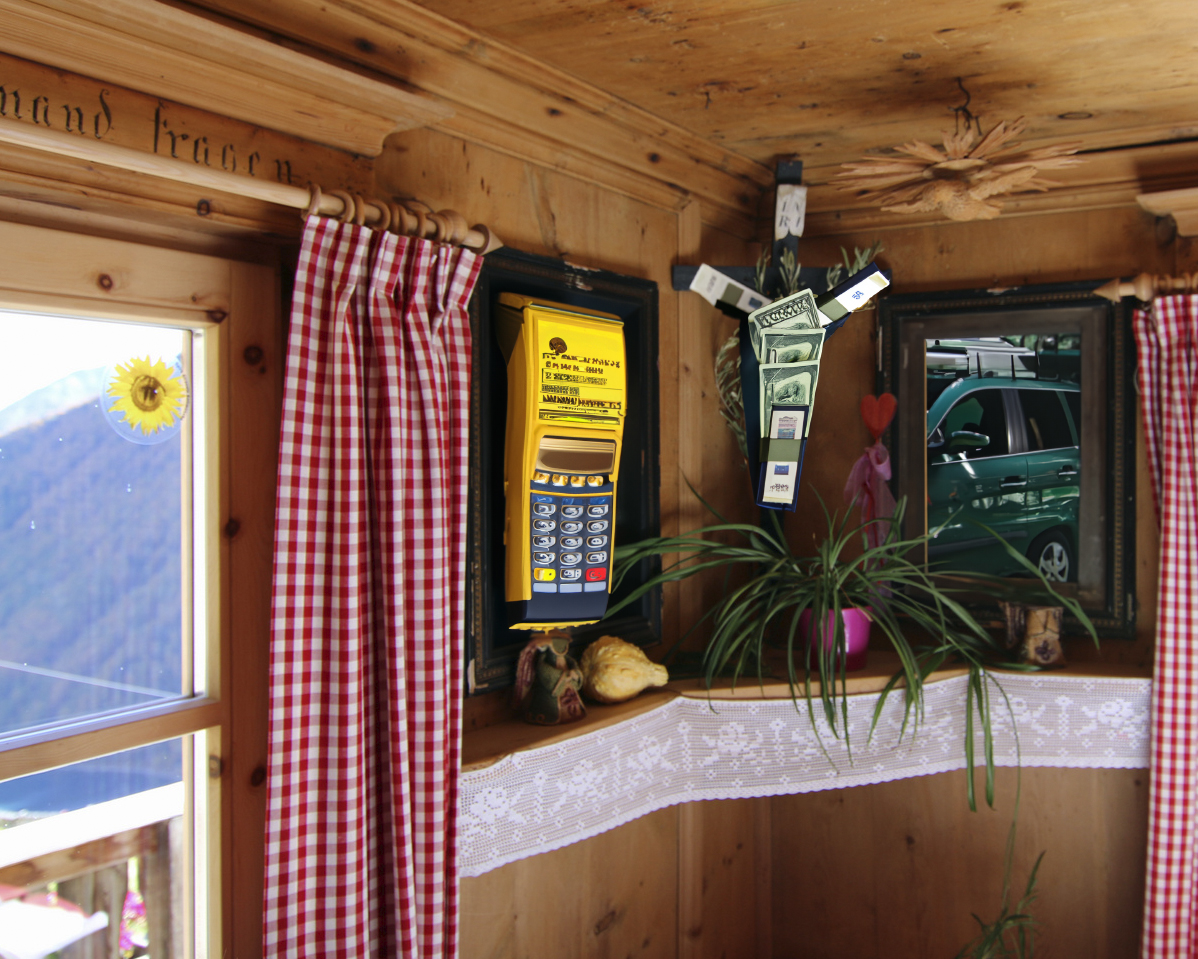
Modern Gods
The project examines how modern status symbols and material values have become the new „gods“ of our time. It compares these symbols with traditional religious symbols in order to visualise the changes in our society.
Home Sweet Home
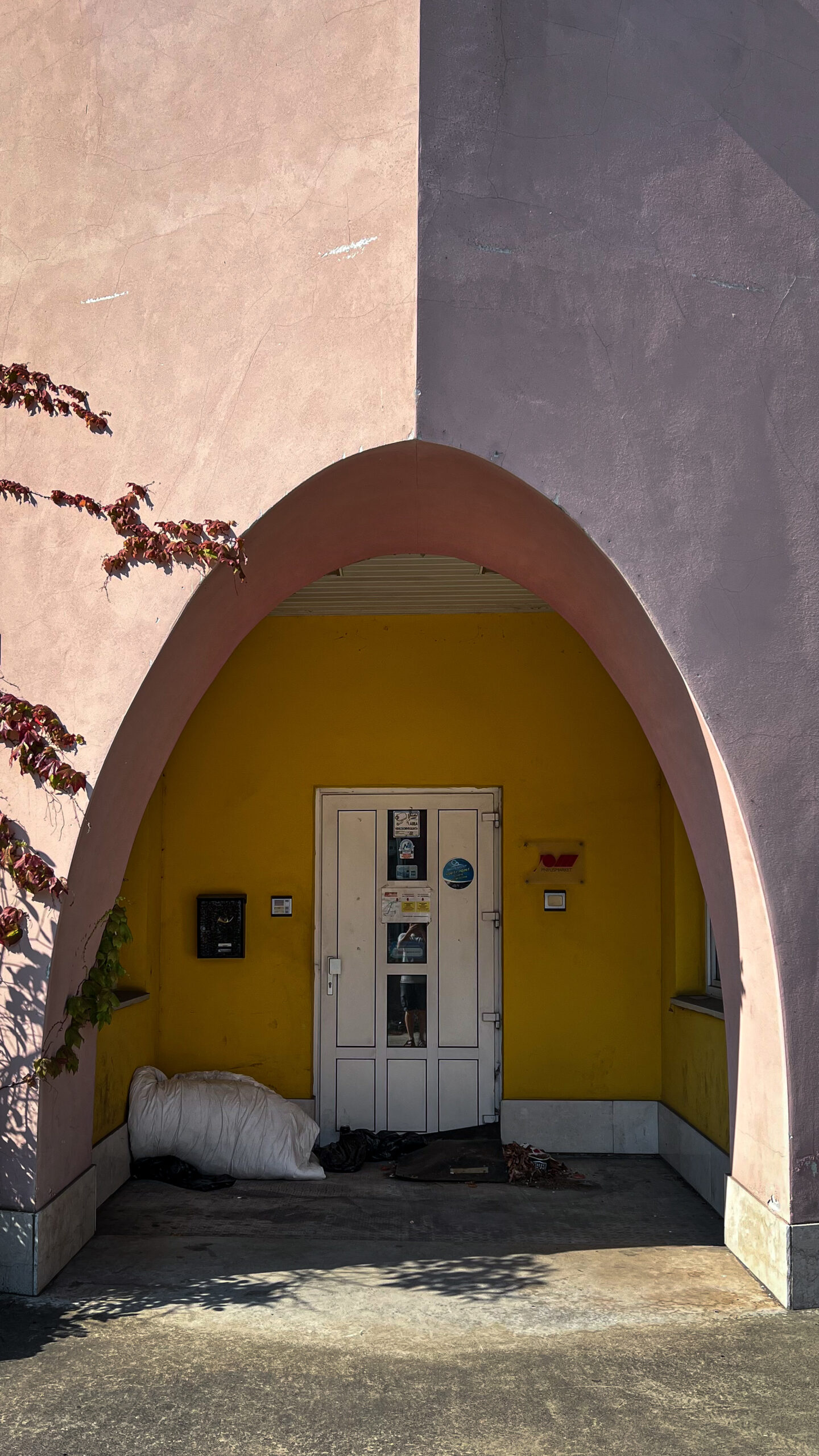
is a project that explores the often overlooked spaces occupied by homeless individuals in urban areas. Combining photography and short videos, the project highlights the contrasts between different city residents and addresses related social issues. Focusing on the architectural aspects of sleeping places and improvised shelters, it uncovers the hidden refuges of the homeless, capturing their daily challenges and the creative use of urban spaces.